How to Improve Listening Skills in the Classroom
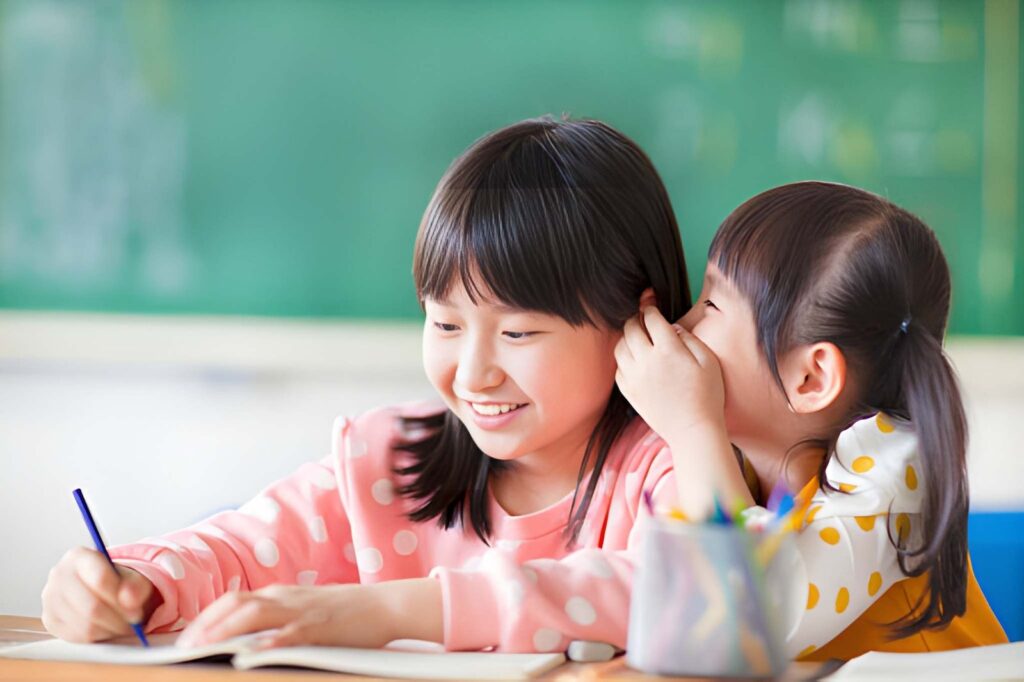
Listening is one of the most important communication skills students need for academic success and everyday life. In the classroom, strong listening skills help learners understand instructions, follow discussions, ask better questions, and build positive relationships with teachers and classmates. However, active listening does not always come naturally. Many students need guidance, practice, and consistent support to become better listeners.
This article explains practical strategies teachers can use Nhà cái Hubet to improve listening skills in the classroom and create a more focused, respectful learning environment.
Why Listening Skills Matter in the Classroom
Listening is more than simply hearing words. It involves paying attention, understanding meaning, remembering information, and responding appropriately. When students listen well, they are more likely to participate in lessons, complete tasks correctly, and engage with learning materials.
Good listening skills also support social and emotional development. Students who listen carefully are better able to understand different opinions, show empathy, and work effectively in groups. In a classroom where listening is valued, students feel heard and respected.
Create a Classroom Culture of Active Listening
The first step to improving listening skills is to make listening an important part of classroom culture. Teachers should explain what active listening looks like and why it matters. Instead of simply telling students to “listen,” describe the behaviors you expect.
Active listening may include:
– Looking at the speaker
– Sitting still and facing forward
– Keeping hands free from distractions
– Waiting for a turn to speak
– Asking relevant questions
– Repeating or summarizing key points
Teachers can create posters or anchor charts that show these listening behaviors. Referring to them regularly helps students remember expectations and develop good habits.
Model Good Listening Behavior
Students learn a great deal by watching their teachers. If you want students to listen carefully, model the same behavior when they speak. Make eye contact, avoid interrupting, and respond thoughtfully to their ideas.
For example, when a student answers a question, you might say, “I heard you say that the main character felt nervous because she was starting a new school. That is a thoughtful observation.” This shows students how to acknowledge and build on what someone has said.
Modeling active listening teaches students that listening is not passive. It is an active process that shows respect and improves understanding.
Give Clear and Simple Instructions
One common reason students struggle to listen is that instructions are too long or unclear. To improve listening skills in the classroom, teachers should give directions in short, manageable steps.
Instead of giving five instructions at once, break them down. For example:
- Take out your notebook.
- Write today’s date.
- Answer questions one to three.
- Work quietly for ten minutes.
After giving instructions, ask a student to repeat them in their own words. This checks understanding and encourages the whole class to listen more carefully.
Use Listening Activities Regularly
Listening skills improve with practice. Teachers can include short listening activities in daily or weekly lessons. These activities do not need to take much time, but they can make a big difference.
Effective classroom listening activities include:
– **Listen and draw:** Students listen to a description and draw what they hear.
– **Story retelling:** Students listen to a short story and retell the main events.
– **Following directions games:** Students complete tasks based on spoken instructions.
– **Partner interviews:** Students ask questions and then share their partner’s answers.
– **Sound identification:** Younger students listen to different sounds and identify them.
These activities train students to focus, process information, and respond accurately.
Teach Students to Take Notes
Note-taking is a valuable skill that supports better listening. When students know they need to write down important points, they often pay closer attention. However, many students need to learn how to take effective notes.
Start by teaching simple strategies such as writing keywords, using bullet points, and underlining main ideas. For younger learners, provide guided notes with blanks to fill in. For older students, introduce methods like the Cornell note-taking system or mind maps.
Good note-taking helps students organize information and improves memory after the lesson ends.
Reduce Classroom Distractions
A noisy or cluttered environment can make listening difficult. To improve listening skills, teachers should reduce distractions whenever possible. This may include arranging desks so students can see the speaker, limiting unnecessary movement, and keeping classroom noise under control.
Technology can also be a distraction. Set clear rules for tablets, laptops, and phones. If devices are not needed for the lesson, keep them out of sight. A calm and organized classroom helps students focus on what is being said.
Encourage Eye Contact and Body Language
Nonverbal communication plays an important role in active listening. Teach students that their body language shows whether they are paying attention. Facing the speaker, nodding, and maintaining appropriate eye contact all signal interest and respect.
Some students may find eye contact uncomfortable, so it is important to be flexible. Instead of forcing direct eye contact, encourage them to face the speaker or focus on a nearby point. The goal is to help students show attention in a way that feels comfortable and respectful.
Ask Questions That Promote Listening
Questions can help students listen with a purpose. Before reading a passage, showing a video, or explaining a topic, give students one or two questions to think about. This encourages them to listen for specific information.
For example, you might say, “As you listen, try to find out why the character changed her mind.” Afterward, ask students to share their answers and explain what they heard.
Open-ended questions also improve listening during discussions. Questions such as “What do you think about your classmate’s idea?” or “Can you add to what was just said?” encourage students to listen to one another, not just to the teacher.
Use Pair and Group Work
Pair and group activities give students more opportunities to practice listening. During collaborative tasks, students must listen to instructions, share ideas, solve problems, and respond to classmates.
To make group work effective, assign clear roles such as speaker, listener, note-taker, or reporter. Rotate these roles so every student practices different communication skills. You can also provide sentence starters like:
– “I agree with you because…”
– “Can you explain that again?”
– “I heard you say…”
– “My idea is similar because…”
These supports help students become more confident and respectful listeners.
Provide Feedback on Listening Skills
Students need feedback to improve. Praise specific listening behaviors when you see them. For example, say, “I noticed that you waited until your classmate finished speaking before you shared your idea. That was excellent listening.”
If students are not listening well, give gentle reminders and redirect them. Instead of saying, “You are not listening,” try, “Please turn your body toward the speaker so you can hear the instructions.”
Specific feedback helps students understand what they are doing well and what they need to improve.
Conclusion
Improving listening skills in the classroom takes time, patience, and regular practice. Teachers can support students by modeling active listening, giving clear instructions, using engaging listening activities, reducing distractions, and Nổ Hũ Thành Phố Mayan encouraging respectful communication.
When students become better listeners, they learn more effectively, participate more confidently, and build stronger relationships with others. By making listening a daily priority, teachers create a classroom environment where every voice matters and every student has the opportunity to succeed.